
Japan Travel Costs Changed in 2026: Tourist Tax, Tax-Free Shopping and Budget Tips
Planning Japan in 2026? Here's how the new tourist tax and tax-free shopping refund rules affect your trip budget.
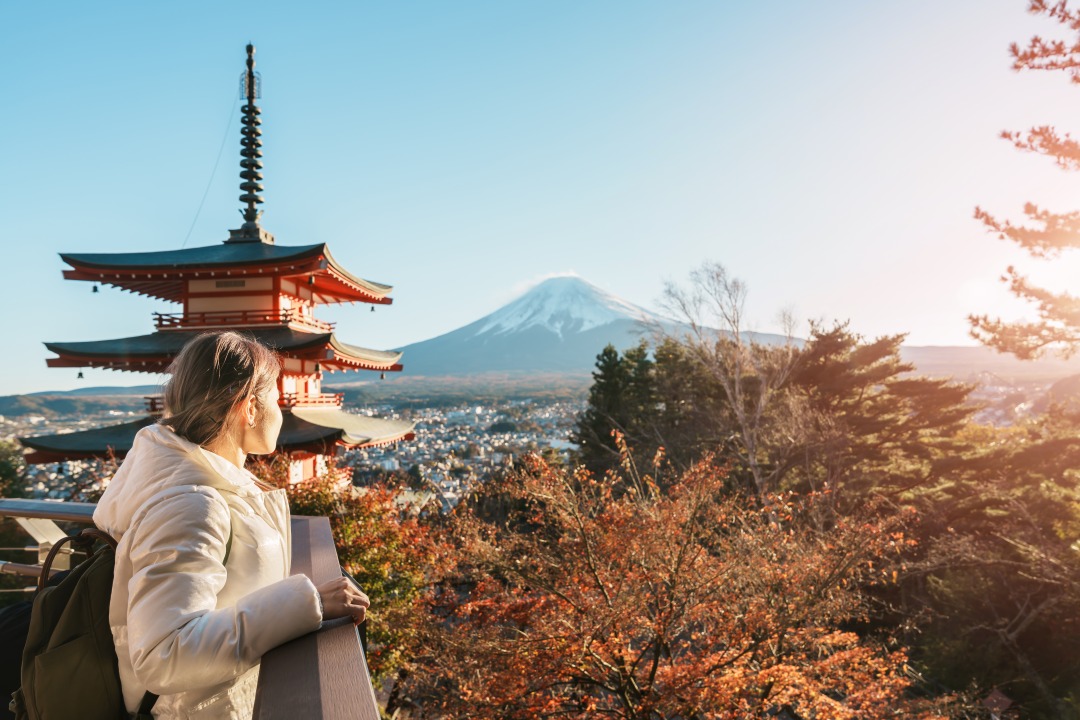
Planning Japan in 2026? Your flights, shopping, and travel budget may look slightly different this year.
Japan’s international tourist tax increased from ¥1,000 to ¥3,000 on July 1, 2026. Later this year, from November 1, 2026, Japan’s tax-free shopping system is also scheduled to shift from instant tax exemption to a refund-based model.
These changes will not make Japan unaffordable, but they do matter for families, budget travelers, shoppers, and anyone planning a multi-country Asia trip.
Quick Summary
| Update | Date | What Travelers Should Know |
|---|---|---|
| Tourist tax increased | July 1, 2026 | Departure tax is now ¥3,000 per person |
| Tax-free shopping changes | November 1, 2026 | Travelers will pay tax first, then claim a refund before departure |
| Best action for travelers | Before flying home | Leave extra airport time if you plan to claim tax-free refunds |
| Who is most affected | Families, shoppers, budget travelers | Small cost increase, but important for planning |
What Changed for Japan Travelers in 2026?
There are two main changes travelers should know.
First, Japan’s international tourist tax is now ¥3,000 per departing passenger. This is a one-time departure tax, not a daily city tax or hotel tax.
Second, Japan’s tax-free shopping system is changing. Until October 31, 2026, eligible visitors can usually buy tax-free goods at participating stores by showing their passport. From November 1, 2026, travelers will generally pay the tax-inclusive price first, then receive the equivalent tax refund after completing departure procedures.
The practical impact is simple: Japan is still very worth visiting, but travelers should budget a little more carefully and avoid leaving airport procedures until the last minute.
What Is Japan’s International Tourist Tax?
Japan’s international tourist tax is a departure tax charged when travelers leave Japan by air or sea.
In most cases, travelers do not pay it separately at the airport. It is usually included in the airline or ferry ticket price.
Before July 2026, the tax was ¥1,000. From July 1, 2026, it increased to ¥3,000.
For one solo traveler, the difference is only ¥2,000. For a family of four, the extra cost is ¥8,000 compared with the previous rate. That is not enough to cancel a trip, but it is enough to include in your travel budget.
Who Has to Pay the Tourist Tax?
Most international travelers departing Japan are subject to the tourist tax.
This includes:
- Foreign tourists leaving Japan
- Japanese residents leaving Japan
- Travelers departing by international flight
- Travelers departing by international passenger ship
Infants under the age of two are exempt.
There is also a transitional rule: if an eligible ticket was issued on or before June 30, 2026, the previous ¥1,000 rate may still apply even if the departure happens after July 1, 2026.
For most visitors booking new trips after July 2026, it is safest to assume the ¥3,000 rate applies.
How Much More Should You Budget?
The increase is modest, but it can still affect the final cost of a trip.
| Traveler Type | Previous Tax | New Tax | Extra Cost |
|---|---|---|---|
| Solo traveler | ¥1,000 | ¥3,000 | +¥2,000 |
| Couple | ¥2,000 | ¥6,000 | +¥4,000 |
| Family of four | ¥4,000 | ¥12,000 | +¥8,000 |
| Group of six | ¥6,000 | ¥18,000 | +¥12,000 |
For context, ¥2,000 is roughly the cost of:
- A casual ramen meal and drink
- A short local train ride plus convenience-store snacks
- A museum ticket and coffee
- Part of a luggage forwarding fee
So the new tax is not a major trip-changing expense, but it is worth knowing before you compare flight prices.
Why Did Japan Increase the Tourist Tax?
Japan is dealing with a major tourism rebound and rising pressure on popular destinations.
The tax revenue is intended to support tourism infrastructure and improve the visitor experience. This can include smoother airport processes, better access to travel information, local tourism development, crowd-management measures, and maintenance of cultural and natural assets.
For travelers, the main takeaway is that Japan is trying to balance high visitor demand with better tourism management.
This is part of a wider pattern across Asia and Europe: popular destinations are introducing or increasing tourism-related fees to fund infrastructure and reduce pressure on local communities.
Tax-Free Shopping in Japan Is Also Changing
The second major update is about shopping.
Japan’s tax-free shopping system has long been one of the most convenient in Asia. Eligible visitors could shop at designated tax-free stores, show their passport, and pay the tax-free price at checkout.
From November 1, 2026, this process changes to a refund-based model.
That means travelers will generally:
- Buy eligible goods at the tax-inclusive price.
- Keep the goods, receipt, and passport.
- Complete the required tax-free procedure before departure.
- Receive the tax refund after the departure inspection process.
This is a big practical change, especially for travelers who shop heavily in Japan.
What Travelers Should Do Differently
If you are visiting Japan before November 1, 2026, the current tax-free shopping process may still apply.
If you are visiting Japan from November 1, 2026 onward, plan for a more airport-focused refund process.
The most important rule is this: do not pack tax-free goods into checked luggage before completing the required procedure.
Travelers may need to present purchased items during the inspection process. If the goods are already checked in, you may not be able to complete the refund process correctly.
Practical Airport Tips for Tax-Free Refunds
If you plan to shop tax-free in Japan after November 2026, follow these tips:
- Arrive at the airport earlier than usual.
- Keep tax-free goods easy to access.
- Do not check in your luggage too early.
- Keep receipts together in one pouch.
- Keep your passport available.
- Avoid opening or consuming eligible goods before departure.
- Check whether your airport supports digital procedures.
- Ask the store how the refund will be handled before buying.
For shoppers, this is the biggest behavior change. The refund may still be worth it, but it will require more organization.
What Goods Are Eligible for Tax-Free Shopping?
From November 2026, eligible purchases generally need to total at least ¥5,000 per store per day, excluding tax.
Eligible goods must be taken out of Japan. Items such as gold and platinum bullion are excluded.
Consumables such as food, beverages, cosmetics, and skincare may still be eligible, but if you consume them in Japan, you will not be able to complete the tax-free refund process for those items.
In simple terms: if you want the refund, keep the goods with you and take them out of the country.
What This Means for Different Travelers
First-Time Visitors
For first-time visitors, the main impact is small but useful to know.
You do not need to change your entire itinerary. Just budget a little more for departure tax and be more careful if you shop tax-free.
Families
Families should pay closer attention because the tourist tax is charged per person.
A family of four should budget around ¥12,000 total for the departure tax under the new rate.
Budget Travelers
Budget travelers should not panic. Japan can still be very good value if you use local trains, convenience stores, business hotels, hostels, and regional passes wisely.
The extra ¥2,000 compared with the old rate is noticeable, but it is not a reason to skip Japan.
Shoppers
Shoppers are the group most affected by the tax-free change.
If you plan to buy skincare, electronics, clothes, anime goods, luxury items, or gifts, you should leave extra time at the airport and understand the refund procedure before departure.
Multi-Country Asia Travelers
If Japan is one stop in a larger Asia trip, remember that the tax applies when you leave Japan.
For example, if you fly Paris → Tokyo → Seoul → Bangkok, the Japan departure tax is connected to your departure from Japan, not your arrival.
Sample Japan Budget Update for 2026
Here is a practical example for one traveler visiting Japan for 10 days.
| Expense | Estimated Cost |
|---|---|
| International tourist tax | ¥3,000 |
| Local transport buffer | ¥15,000–¥30,000 |
| Food buffer | ¥30,000–¥60,000 |
| Attraction buffer | ¥15,000–¥40,000 |
| Shopping buffer | Depends on traveler |
| Extra airport time for refund | 30–60 minutes |
The biggest Japan costs are still flights, accommodation, long-distance transport, and shopping. The tourist tax is a small line item, but it is now large enough that travelers should know about it.
Budget Tips for Japan in 2026
1. Compare Flight Prices Carefully
Because the tourist tax is usually included in tickets, travelers may not notice it as a separate charge.
When comparing flights, look at the final total price, not just the base fare.
2. Use Regional Passes Instead of Automatically Buying a JR Pass
The nationwide JR Pass is no longer automatically the best deal for every traveler.
If your trip is Tokyo, Kyoto, and Osaka only, compare individual tickets first. If you are visiting more regions, regional passes may offer better value.
3. Stay Longer in Fewer Cities
Changing cities too often increases transport costs.
A smarter Japan itinerary often looks like this:
- 4–5 nights in Tokyo
- 3 nights in Kyoto or Osaka
- 1–2 side trips instead of constant hotel changes
4. Use Convenience Stores Strategically
Japan’s convenience stores are excellent for breakfast, snacks, drinks, and light meals.
Using them once per day can reduce food costs without making your trip feel cheap.
5. Book Hotels Early for Peak Seasons
Cherry blossom season, autumn foliage, Golden Week, Obon, and New Year can push hotel prices much higher.
Book early if you are traveling during peak periods.
6. Leave Space in Your Luggage
If you plan to shop, bring less from home.
This helps avoid buying extra luggage or paying overweight baggage fees.
7. Keep Airport Day Simple
Do not plan a complicated final day if you need to claim tax-free refunds.
A better final day is:
- Check out
- Store luggage
- Have one final meal
- Head to airport early
- Complete refund procedures
- Fly home calmly
Common Mistakes to Avoid
Mistake 1: Forgetting the Tax Is Per Person
The increase seems small for one traveler but adds up for families and groups.
Mistake 2: Checking In Luggage Before Tax-Free Procedures
If your tax-free goods are inside checked luggage, you may not be able to show them when required.
Mistake 3: Consuming Tax-Free Goods in Japan
If you buy consumables and use them before leaving, they may no longer qualify.
Mistake 4: Assuming Every Store Handles Refunds the Same Way
Refund details may vary by store or refund service provider. Always ask before buying expensive items.
Mistake 5: Arriving at the Airport Too Late
Tax-free procedures can take time, especially at major airports. Leave a buffer.
Is Japan Still Worth Visiting in 2026?
Yes. Japan is still one of the strongest travel destinations in Asia.
The country offers excellent public transport, safe cities, world-class food, rich culture, seasonal landscapes, and a wide range of accommodation options.
The new tourist tax does increase the cost slightly, and the tax-free shopping change adds one extra step for shoppers. But for most travelers, these updates are manageable with basic planning.
The bigger question is not whether Japan is still worth visiting. It is how to plan smarter so your route, budget, and travel style match the new reality.
Best Japan Trips for 2026
If you want a first-time Japan route, consider:
Classic First-Time Japan
- Tokyo
- Kyoto
- Osaka
- Nara
Best for: first-time visitors, couples, families, food lovers.
Japan with Nature
- Tokyo
- Hakone
- Kyoto
- Japanese Alps
Best for: scenery, hot springs, slower travel.
Budget Japan
- Tokyo
- Osaka
- Kyoto
- Kobe or Nara as day trips
Best for: travelers who want efficient transport and fewer hotel changes.
Shopper’s Japan
- Tokyo
- Osaka
- Kyoto
- Outlet or department-store time
Best for: fashion, cosmetics, electronics, anime goods, gifts.
For shopper-focused trips after November 2026, make the final airport day extra flexible.
Frequently Asked Questions
Do I pay Japan’s tourist tax separately?
Usually no. In most cases, the tax is included in the airline or international passenger ticket price.
How much is Japan’s tourist tax in 2026?
From July 1, 2026, Japan’s international tourist tax is ¥3,000 per departure.
Did Japan’s tourist tax apply before 2026?
Yes. Japan introduced the international tourist tax in 2019. Before July 2026, the rate was ¥1,000.
Are children exempt from Japan’s tourist tax?
Infants under the age of two are exempt. For older children, travelers should assume the tax applies unless their airline or ticket conditions say otherwise.
What changed with tax-free shopping in Japan?
From November 1, 2026, Japan’s tax-free shopping system shifts to a refund-based model. Travelers pay the tax-inclusive price first, then complete procedures before departure to receive the refund.
Should I arrive earlier at the airport after November 2026?
Yes, especially if you bought tax-free goods. Leave extra time before check-in and boarding so you can complete the required process.
Can I put tax-free goods in checked luggage?
Be careful. You may need to present tax-free goods before departure. Keep them accessible until the tax-free procedure is complete.
Is Japan more expensive now?
Japan is slightly more expensive because of the higher departure tax. However, the increase is small compared with flights, hotels, and long-distance transport.
Is tax-free shopping still worth it?
Yes, for larger purchases. But the process may require more time and organization than before.
Should I still visit Japan in 2026?
Yes. These changes are important for planning, but they do not significantly reduce Japan’s value as a destination.
Internal Link Suggestions
Use these as related articles on Tada:
- Tokyo Travel Guide 2026
- Japan Itinerary: 7 Days for First-Time Visitors
- Best Time to Visit Japan
- Tokyo vs Osaka: Which City Should You Visit First?
- Japan Rail Pass Guide
- Kyoto Travel Guide
- Seoul vs Tokyo: Which City Should You Choose?
- Thailand Digital Arrival Card Guide
- Best Countries in Asia for First-Time Travelers
Sources to Verify
- Japan National Tourism Organization: Japan’s International Tourist Tax update
- Japan National Tourism Organization: Tax-free shopping changes
- Japan Tourism Agency / MLIT: Tax-Free Shopping Refund Method
- Japan Tourism Agency / MLIT: International Tourist Tax FY2026 overview
- National Tax Agency Japan: International Tourist Tax system details
Plan Your Japan Trip with Tada
Planning Japan in 2026?
Use Tada to build a smarter Japan itinerary based on your budget, travel style, trip length, food preferences, and must-see places.
Start planning at tadatravel.co.